
Making Artists
On a New York great.
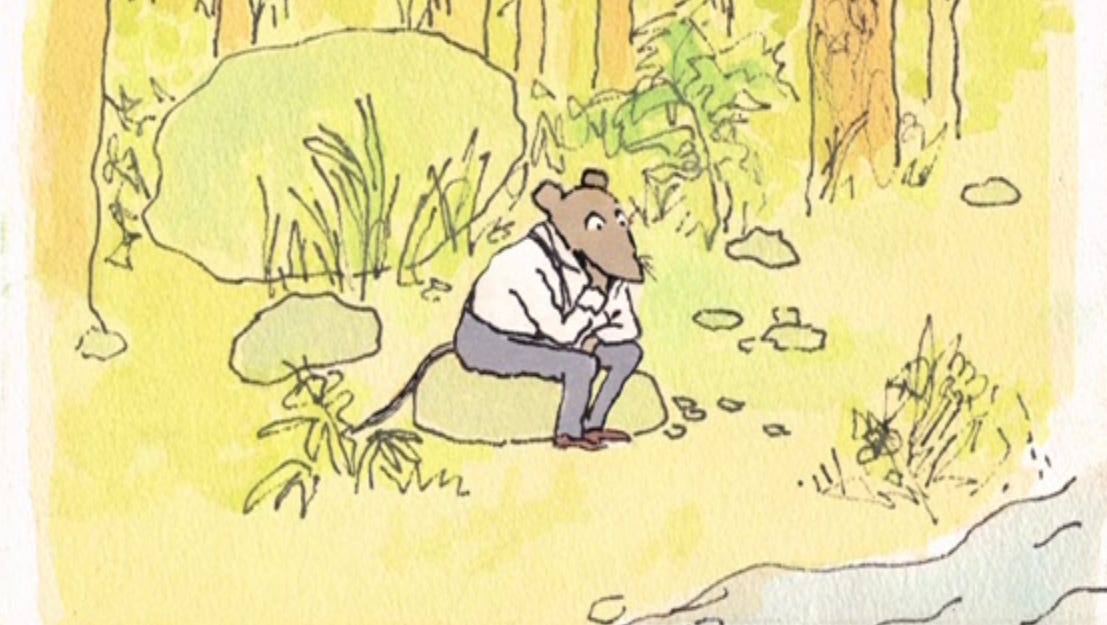
Welcome! This is another Thursday issue of the Animation Obsessive newsletter — all about the environment that Michael Sporn created.
His work isn’t discussed enough. We’ve covered some of his gems from the ‘80s and ‘90s (Abel’s Island, Champagne, Doctor De Soto), but he was prolific, and there are more. “Sporn’s numerous sensitive adaptations of classic children’s books,” noted one historian, “are themselves classics of animation.”1
He wasn’t a megahit-maker. For a certain group, though, his films were hard to beat. Sporn was a decorated artist, and admired by the press and in his scene. When Kiki’s Delivery Service reached America, the Chicago Tribune mentioned that it was “the creation of artist-director Hayao Miyazaki, honored as ‘the Disney of Japan,’ and equaled in the United States only by Michael Sporn.”2
When animation for kids was often loud and commercial, Sporn’s was otherwise. In a way, kids weren’t even its target. “I make all my films for myself first,” he once said. “It just so happens that the children’s market has been the most receptive.” Even in projects for “the youngest possible audience,” he insisted on artistry, and on the “adult themes and social values” that mattered to him.3
“[R]ather than commenting on other animated cartoons, [like] so much of animation that is being done today, we try to talk about the world,” Sporn said in the 2000s.4
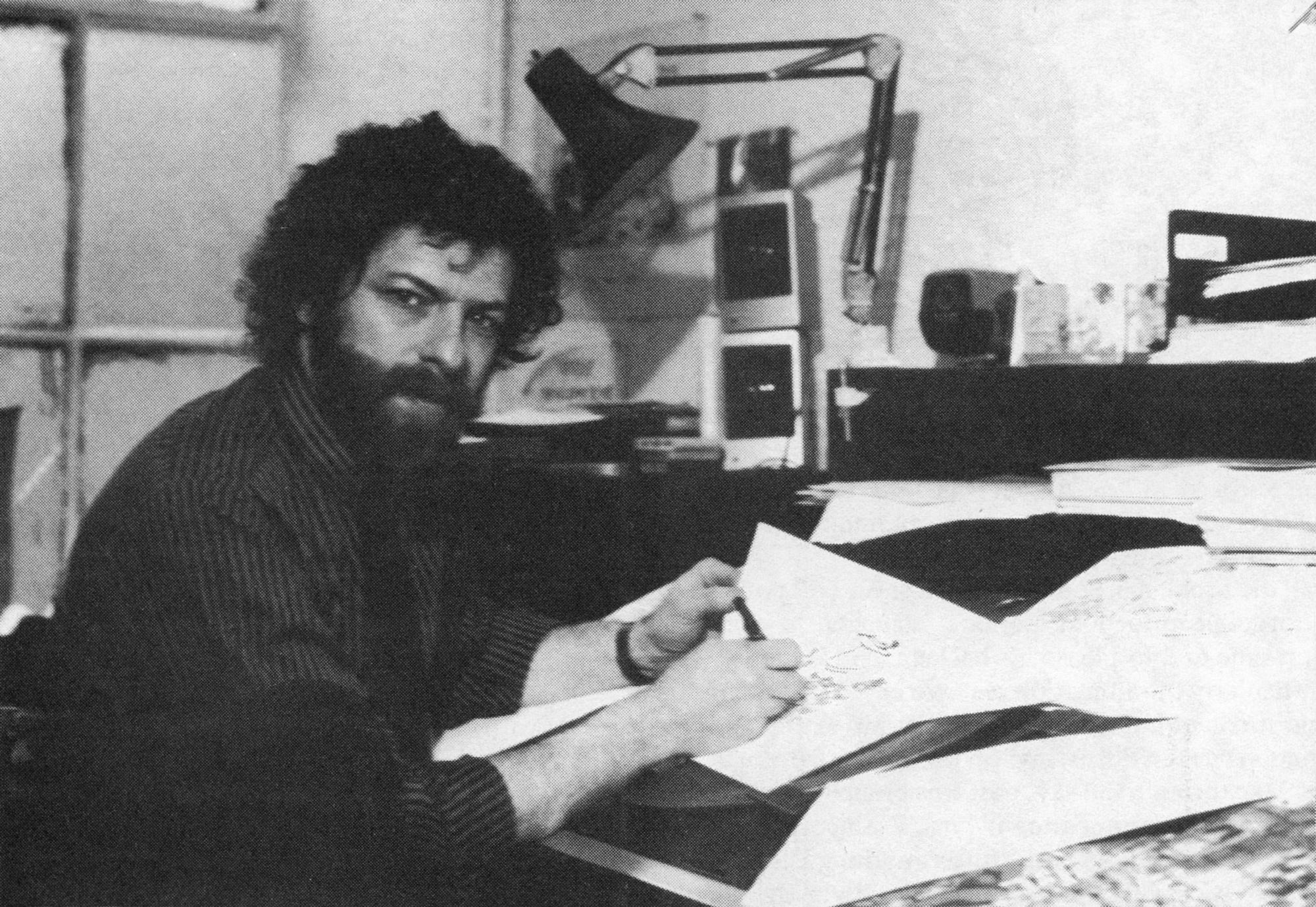
For decades, a stream of these fresh, thoughtful films emerged from his Manhattan studio, Michael Sporn Animation. His deadlines were tight and his budgets low — but he’d founded the company as a sort of haven for artists, and it stayed one. The films were the result of that environment.
Sporn hired newcomers and old hands alike, and gave them freedom and an almost familial place to work.5 As actor Heidi Stallings, his wife, said a few years ago:
… a lot of the animators would go from boutique to boutique. They would come in and work for maybe six weeks, and then they’d go to another job. But Michael Sporn’s was a very creative space … He employed people for a long period of time, and it was a place to grow together as an artistic community. And that’s how he ran it — like a repertory company.6
Keep reading with a 7-day free trial
Subscribe to Animation Obsessive to keep reading this post and get 7 days of free access to the full post archives.