
Skeletons and Noses
The contrast between two important films.
Welcome! It’s a new Thursday edition of the Animation Obsessive newsletter. This time, we’re looking at two opposing takes on music in animation.
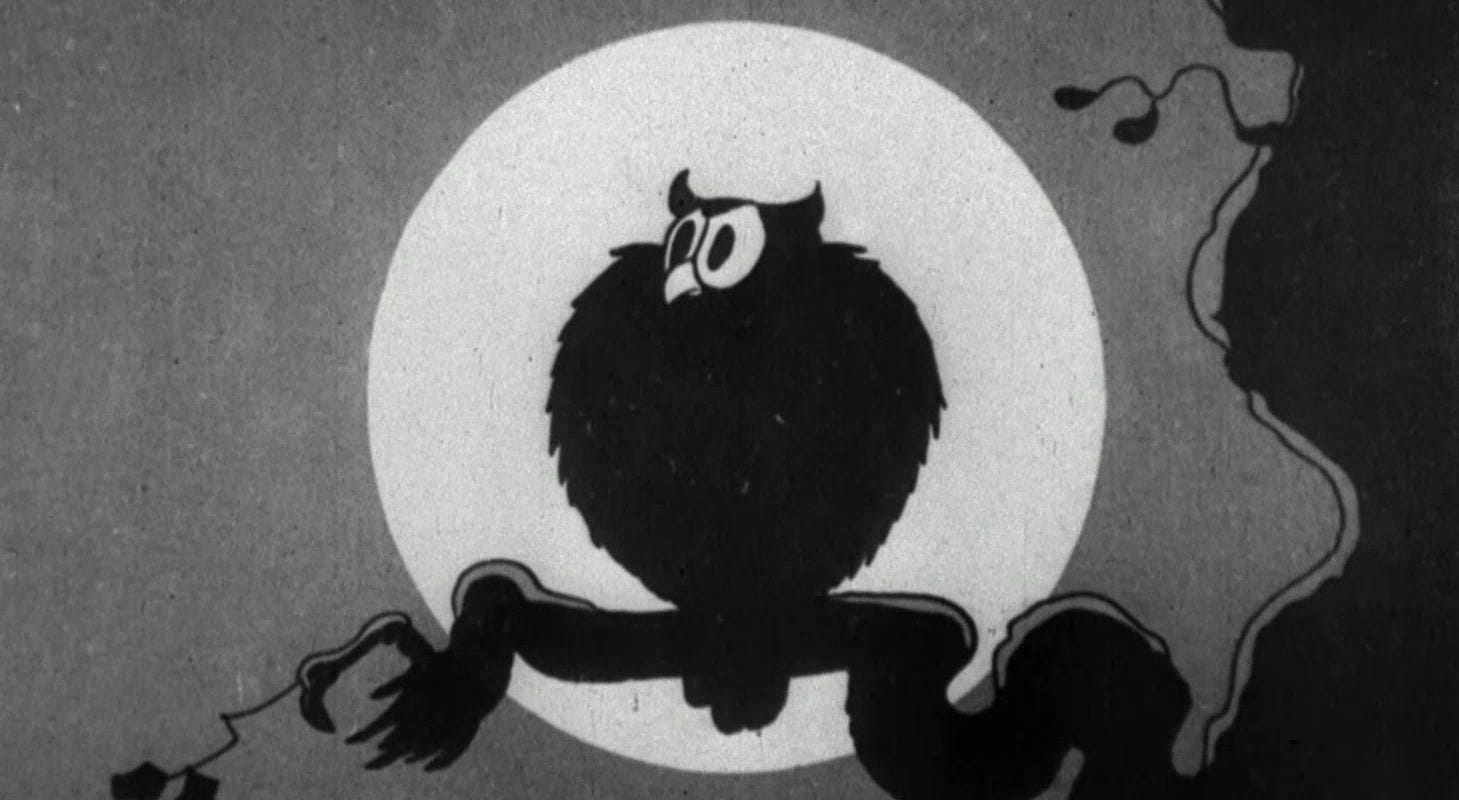
Everyone knows Mickey Mousing. It dates to the Steamboat Willie era. “In this system the music, wherever possible, is made to mimic everything that happens on the screen,” composer Aaron Copland wrote in the ‘40s.1 The result is a hand-in-glove pairing of movement and music: each says the same thing.
Walt Disney’s studio perfected the trick — it helped him rise.2 Quickly, his team created maybe the ultimate example of Mickey Mousing: The Skeleton Dance (1929). It went big. Disney said in ‘37 that it had “grossed more returns than any other cartoon we have made.”3
In The Skeleton Dance, there’s no air between what you hear and what you see. What the art illustrates, the music illustrates again. Disney and his people called it a “musical novelty” — a thrill for viewers in the days when talkies were new.
That said, if The Skeleton Dance is the limit of Mickey Mousing, what about the other extreme? What happens when a film’s music and animation speak different languages, when they pointedly clash?
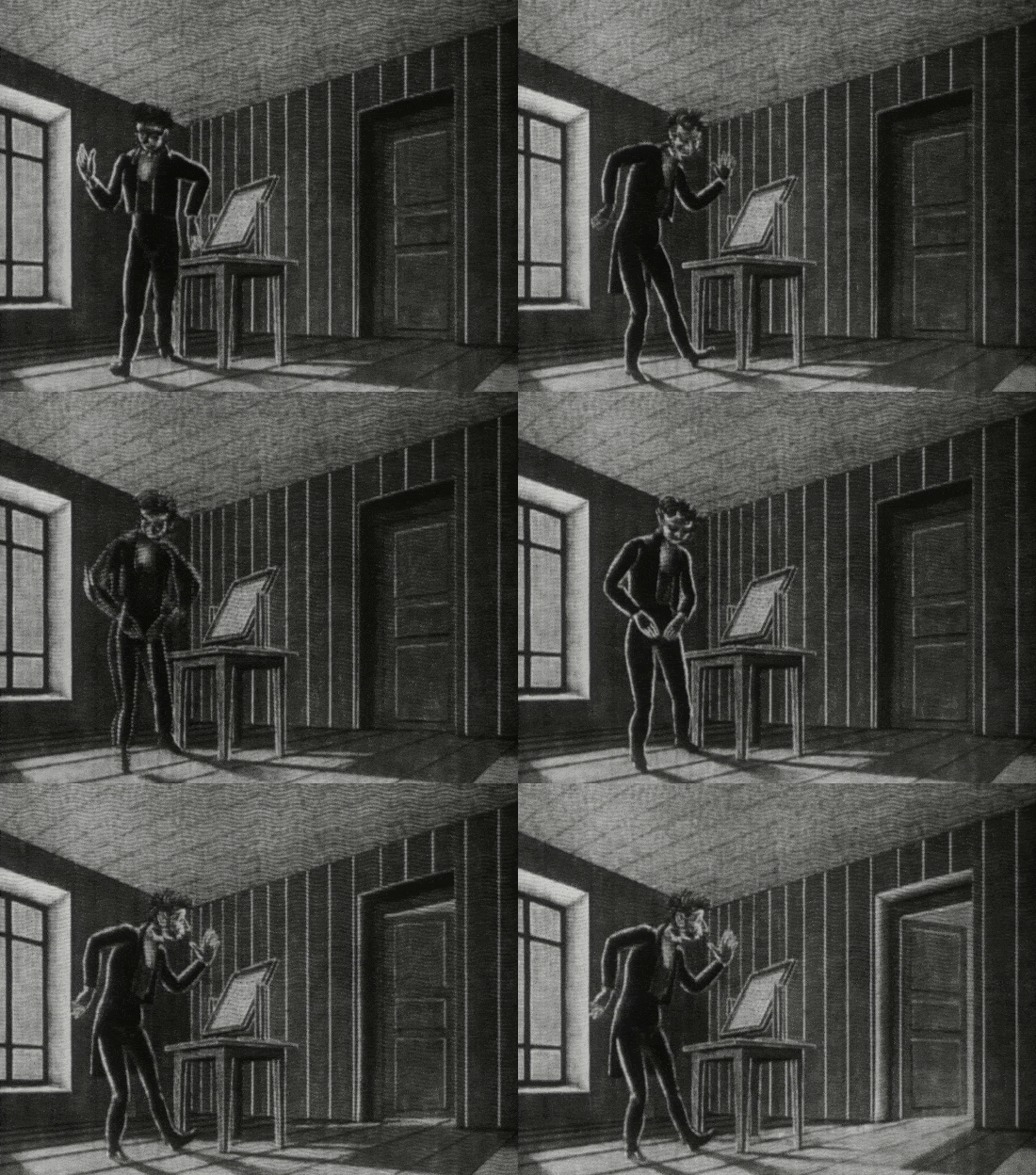
The answer might be The Nose (1963), a film that doesn’t have Skeleton Dance’s fame. It’s a classic for a certain group. Artists Alexander Alexeieff and Claire Parker animated it on a screen of metal pins, their own invention. And its use of music is really, really wild, in ways that still feel dangerous in 2026.
In these two pieces, there’s a lot to learn about music and the animated film.
Keep reading with a 7-day free trial
Subscribe to Animation Obsessive to keep reading this post and get 7 days of free access to the full post archives.