
The Visualist
On the aesthetics of Rintaro.
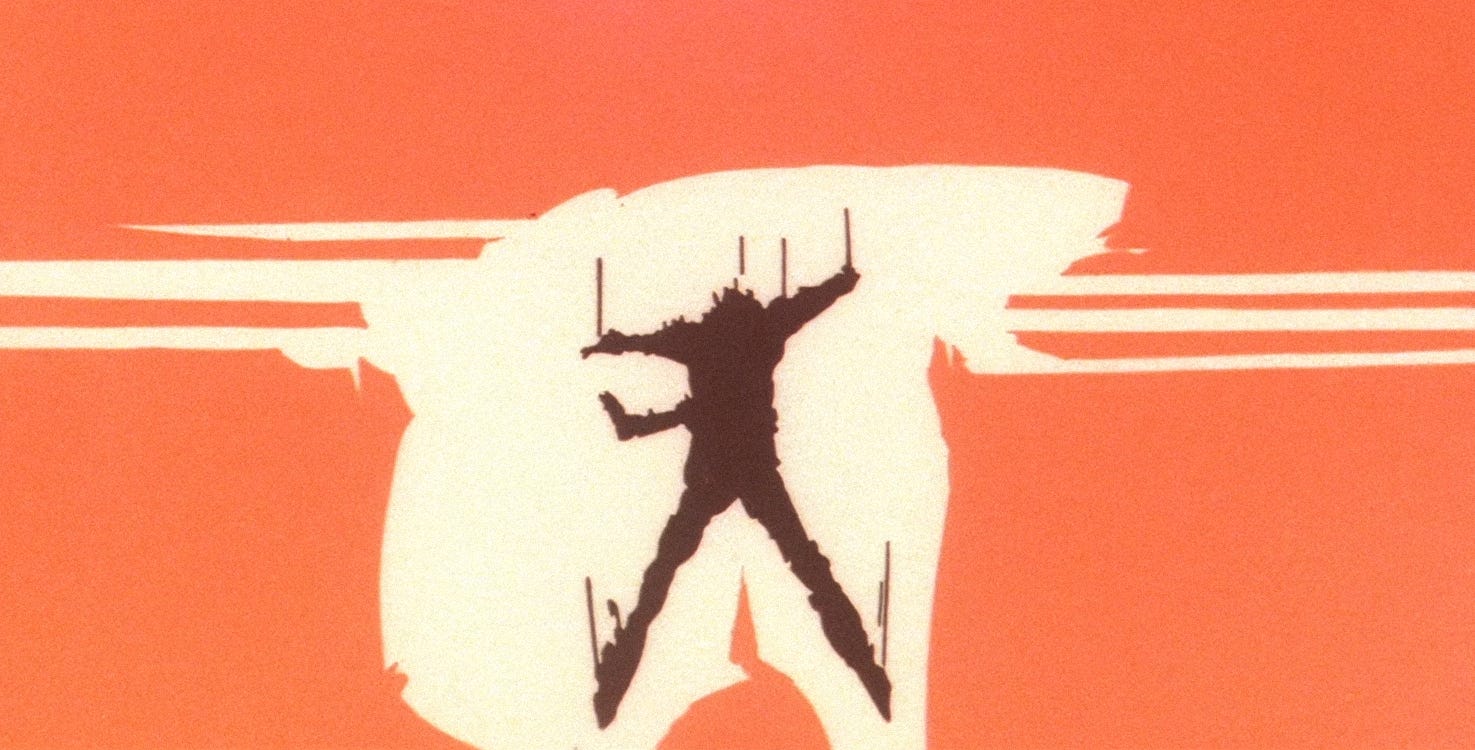
Welcome! It’s a new Thursday edition of the Animation Obsessive newsletter — and, this time, we’re looking into the style of a great director.
Rintaro turned 85 earlier this year. He’s still youthful and working. Just a few months ago, he held a master class on his latest film — speaking energetically about the craft of movie-making, which he’s always loved.
Without Rintaro, Japanese animation wouldn’t look the same. It’s been his world since Toei Doga’s White Snake Enchantress (1958), where he had a junior role. Seeing that film inspired Hayao Miyazaki to become an animator himself. By the time Miyazaki joined Toei, though, Rintaro was elsewhere.1 The two of them are masters of different schools.
Miyazaki has spoken about his own style. Following Isao Takahata, he thinks of animation as a continuity of time and space. He creates the illusion that his characters really exist in concrete, three-dimensional worlds. Miyazaki’s camera choices and edits, and the tactility of his team’s art, build this illusion of real-ness.
That isn’t quite Rintaro’s way. He’s argued that animation “is all about creating images.” Even story sometimes takes a back seat for him. “Enjoying the story is the correct way to enjoy movies,” Rintaro said. “But when I was a kid, I’d watch the same movie again to see how the shots were crafted, ignoring the story.”2
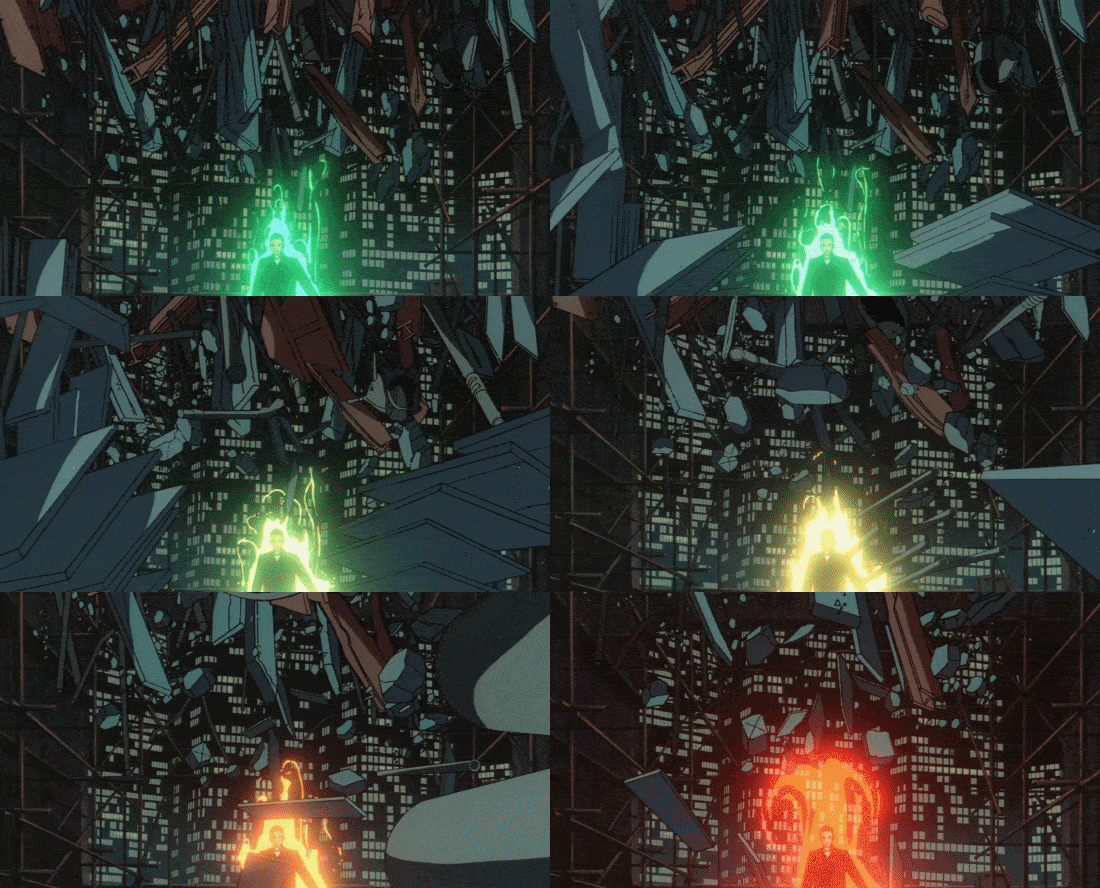
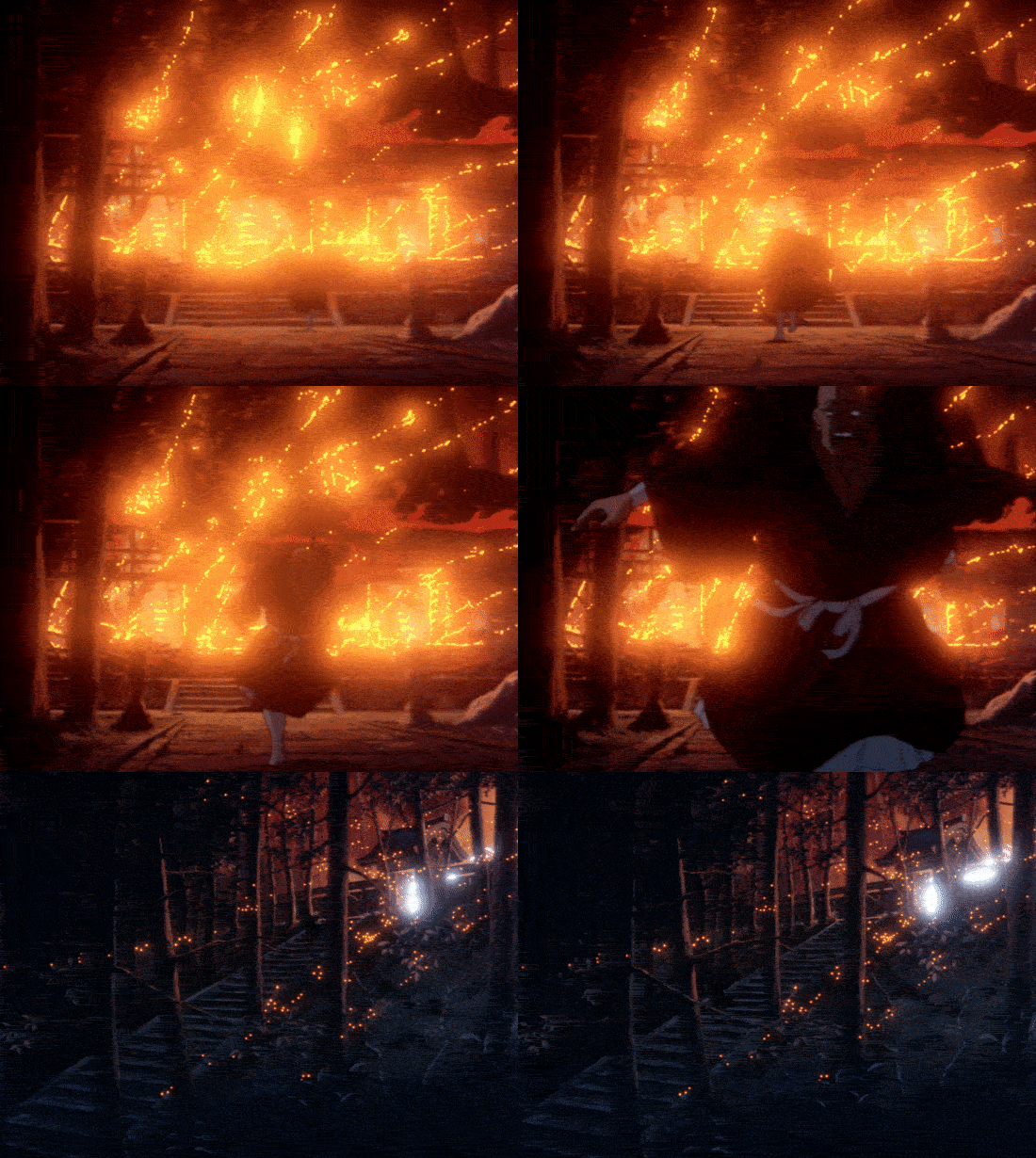
A Rintaro film is, usually, an explosion of visual ideas. Glowy effects fill the screen; shots and animation are loudly stylized, drawing attention to themselves. The point isn’t a sense of continuity. In Rintaro’s Dagger of Kamui (1985), even the film grammar changes sequence by sequence. One commentator noted:
It’s like every scene is addressing a different challenge. The camera distance is different in each one, the editing style is different… whether it’s shown through animation, or montage, or through background art. Each solution is completely different.3
The journalist Yuichiro Oguro has described Rintaro as a “visualist.”4 It’s apt. By the ‘60s, Rintaro was already on his lifelong hunt for fresh images — and coming up with new techniques to make them happen.
Keep reading with a 7-day free trial
Subscribe to Animation Obsessive to keep reading this post and get 7 days of free access to the full post archives.